TEMPEWALA
0
You already read the back of the packet. You already know the difference between real food and marketing. We made TempeWala for people exactly like you.
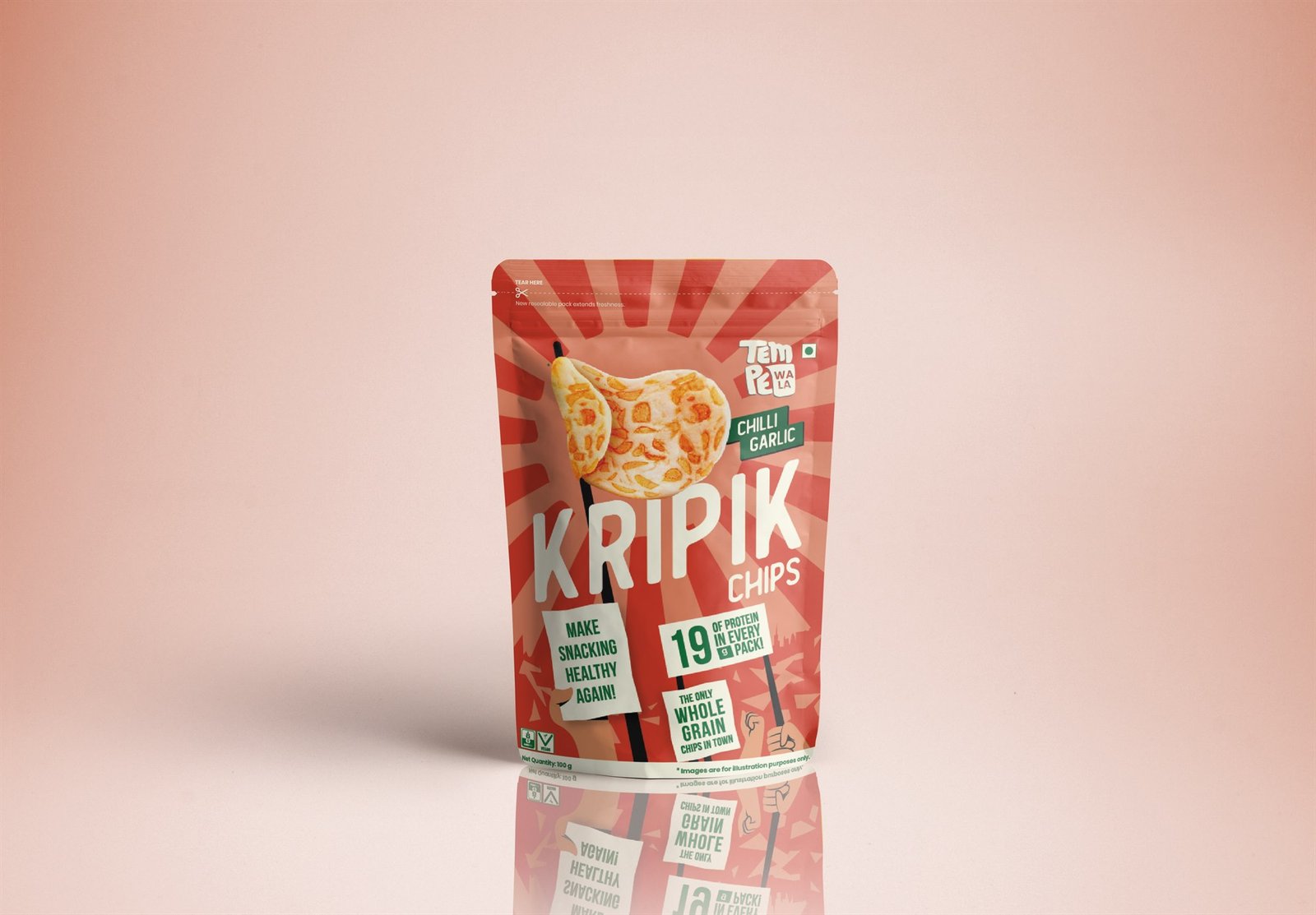
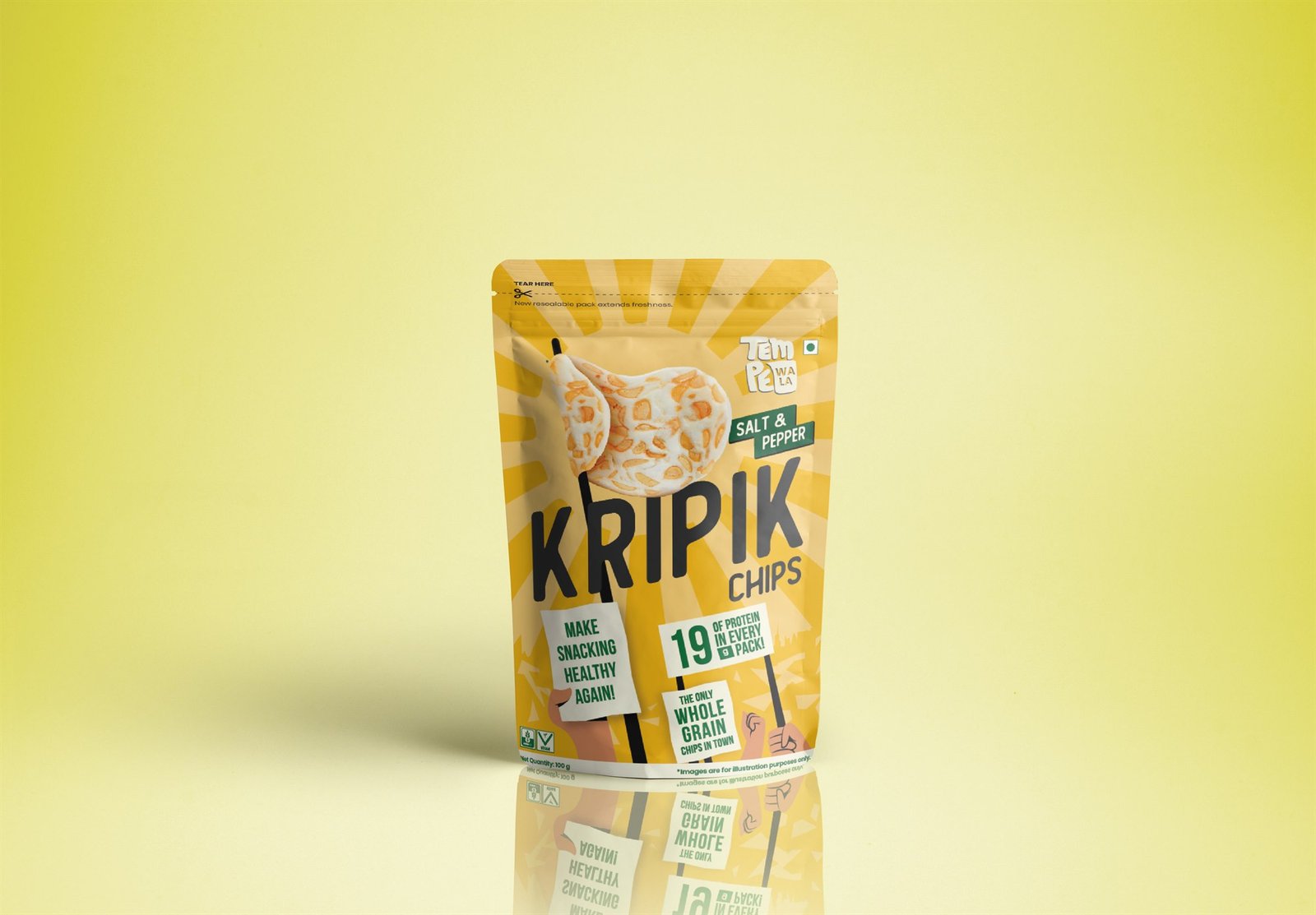
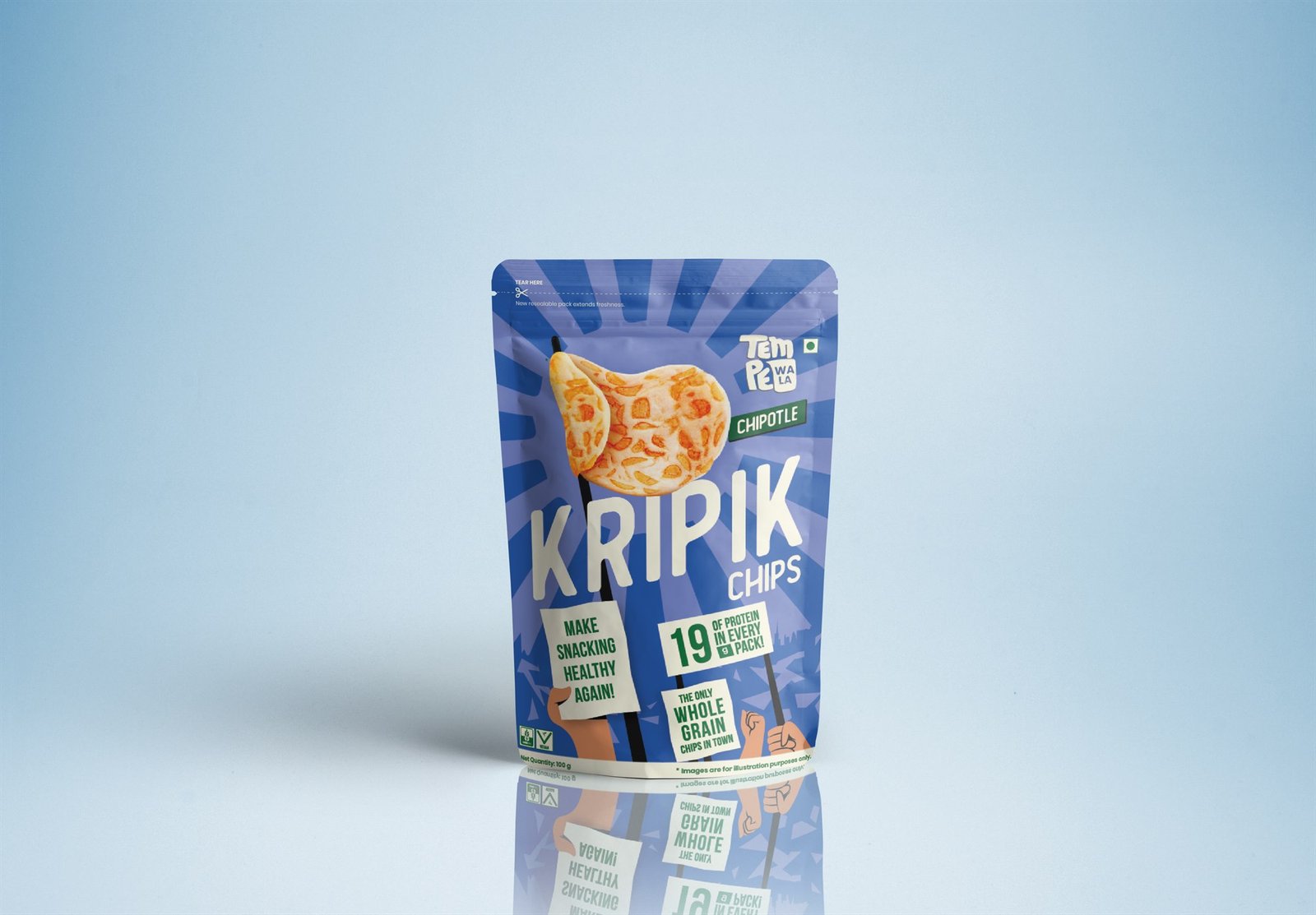
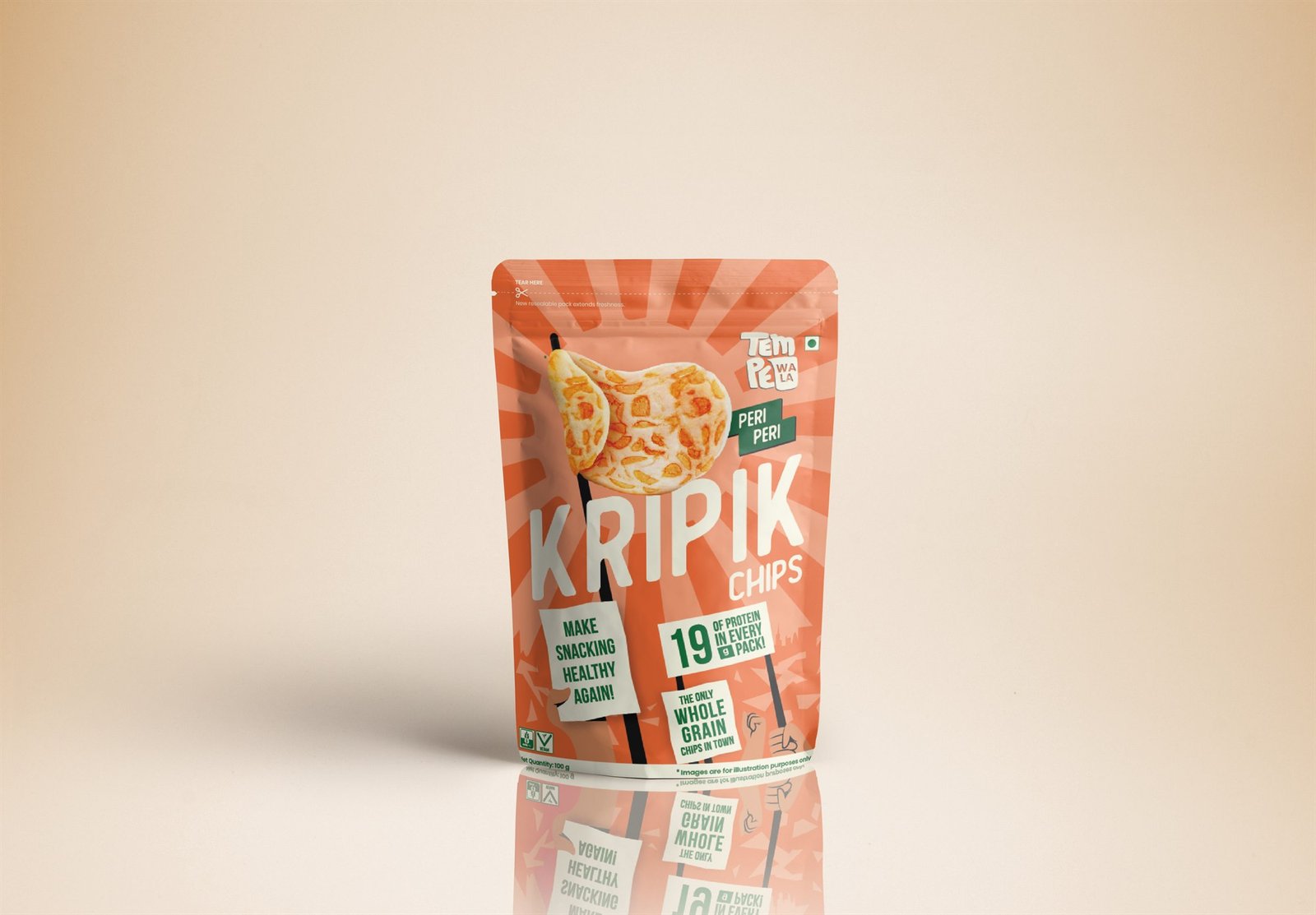
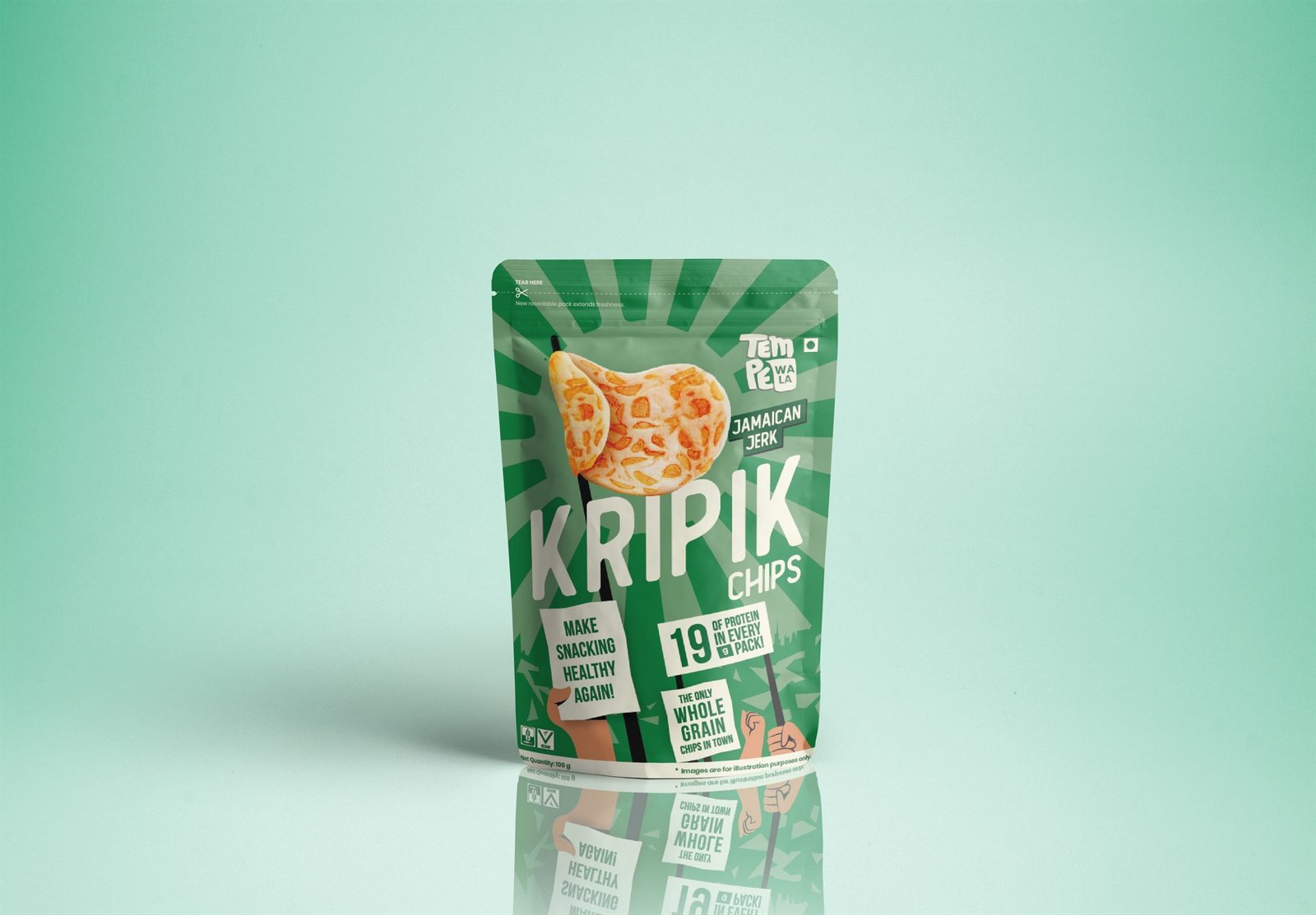
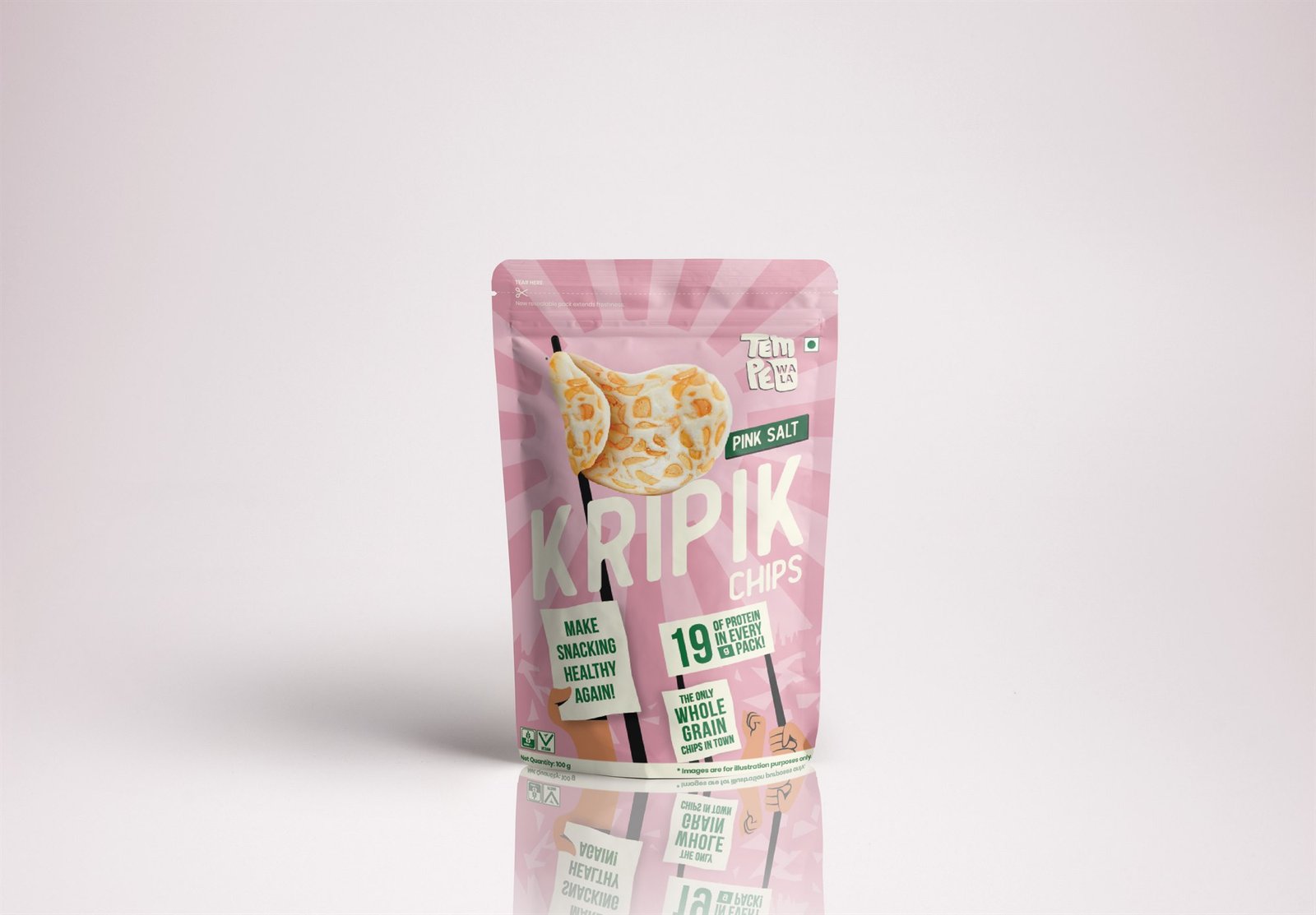
Six flavours. Zero compromise. Kripik are Indonesia's 1,000-year-old fermented chips — made in Bangalore with soybean and tapioca co-fermenting for 72h.
The crunch comes from within the tempeh, not a coating.


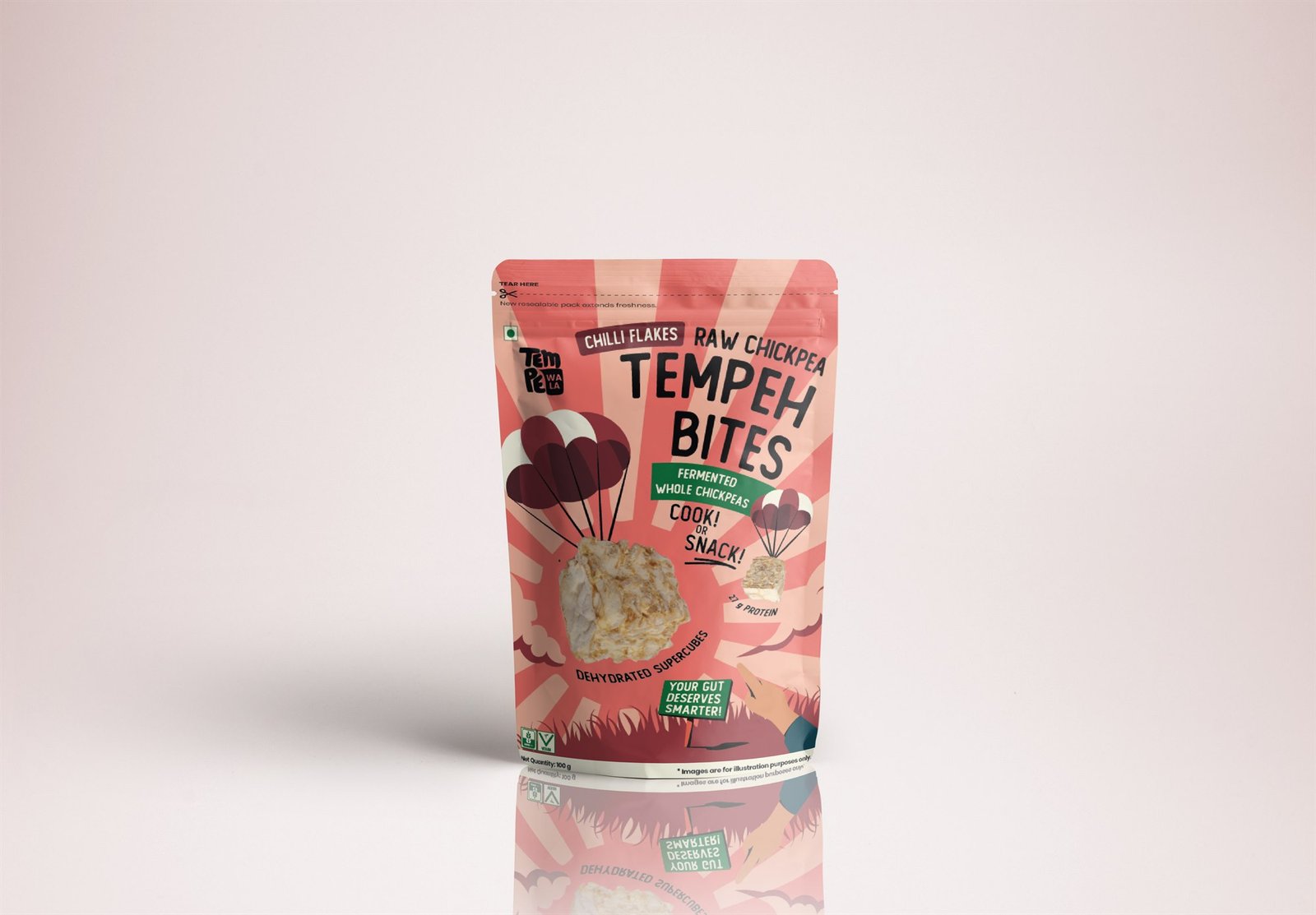
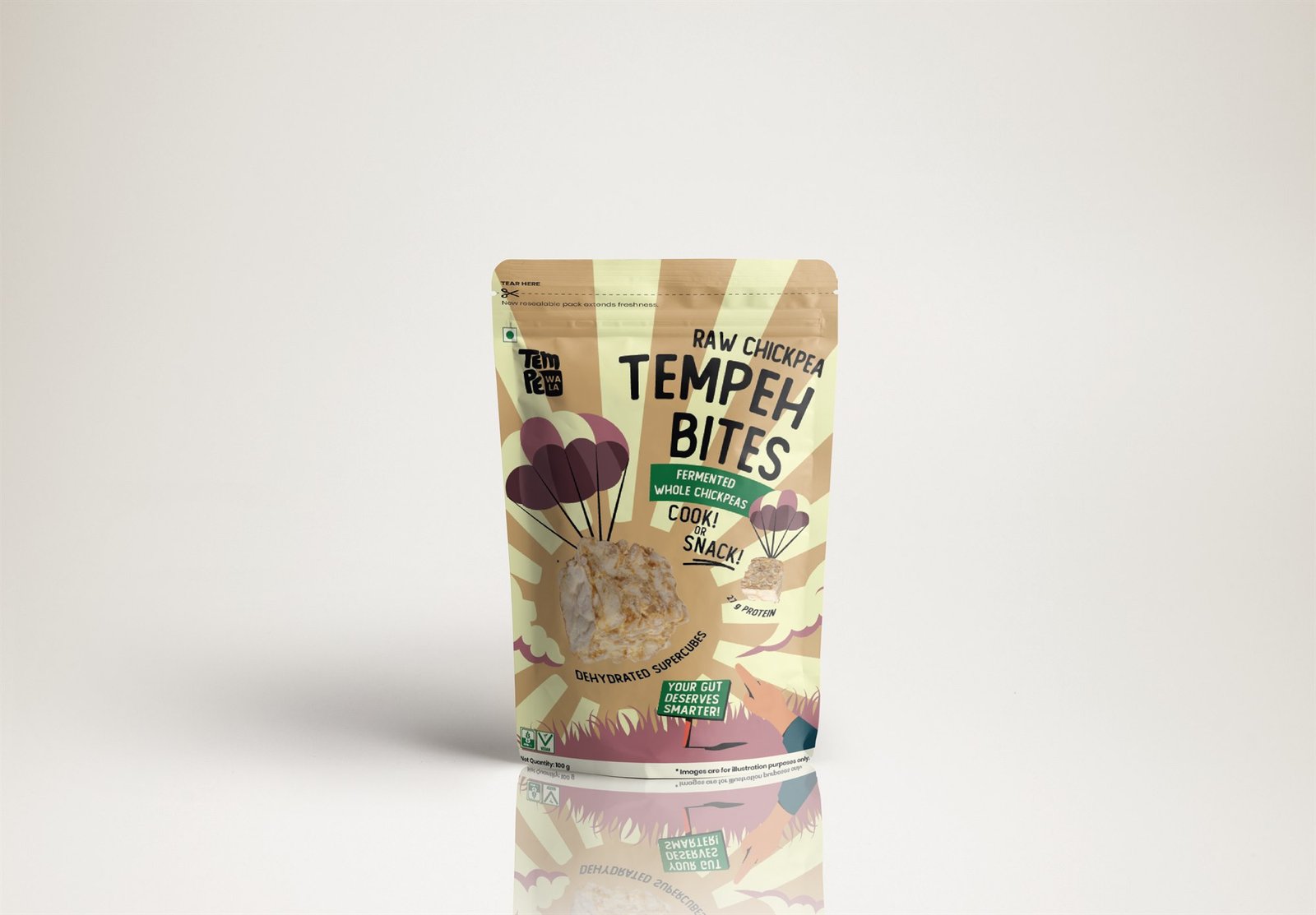
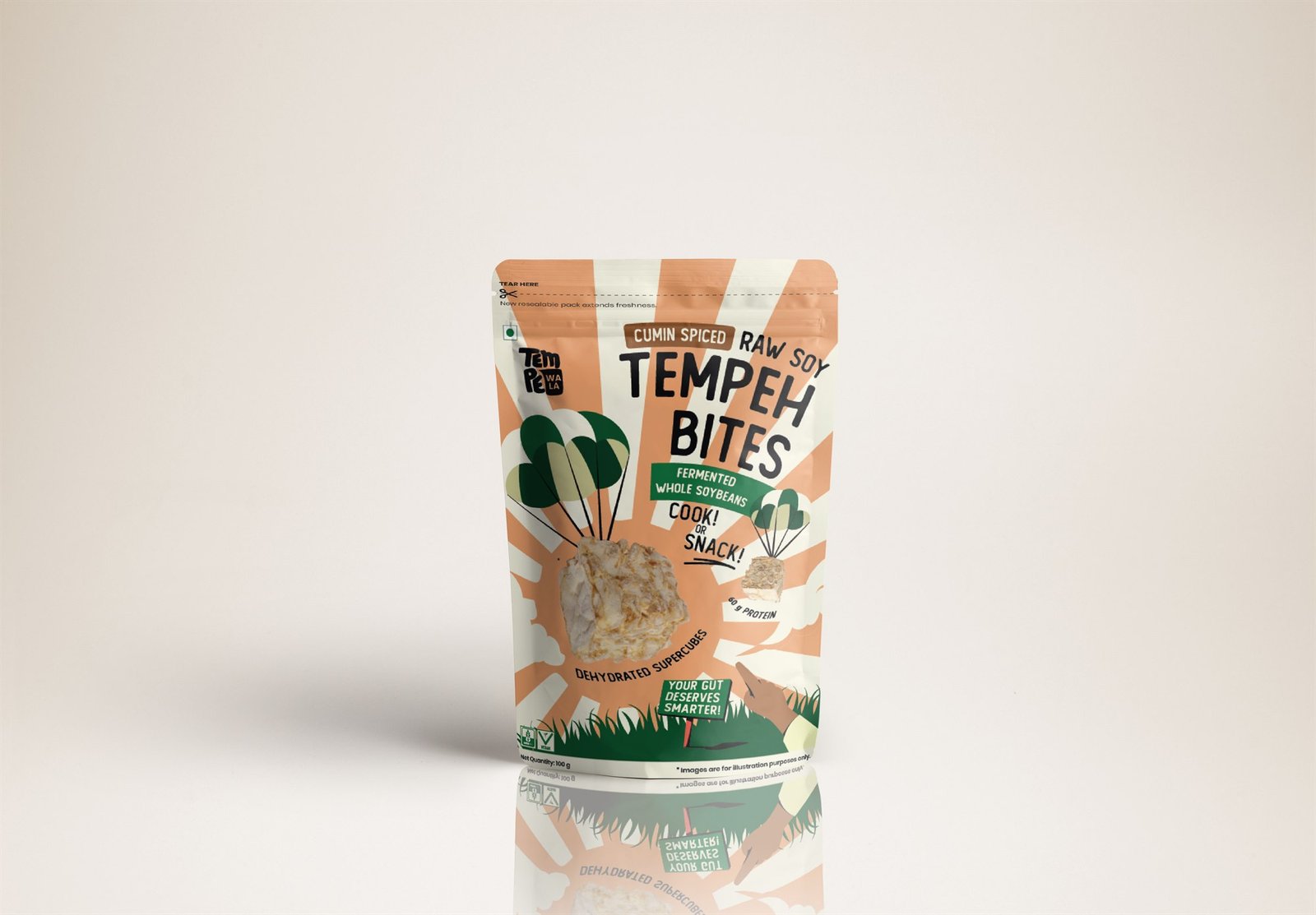
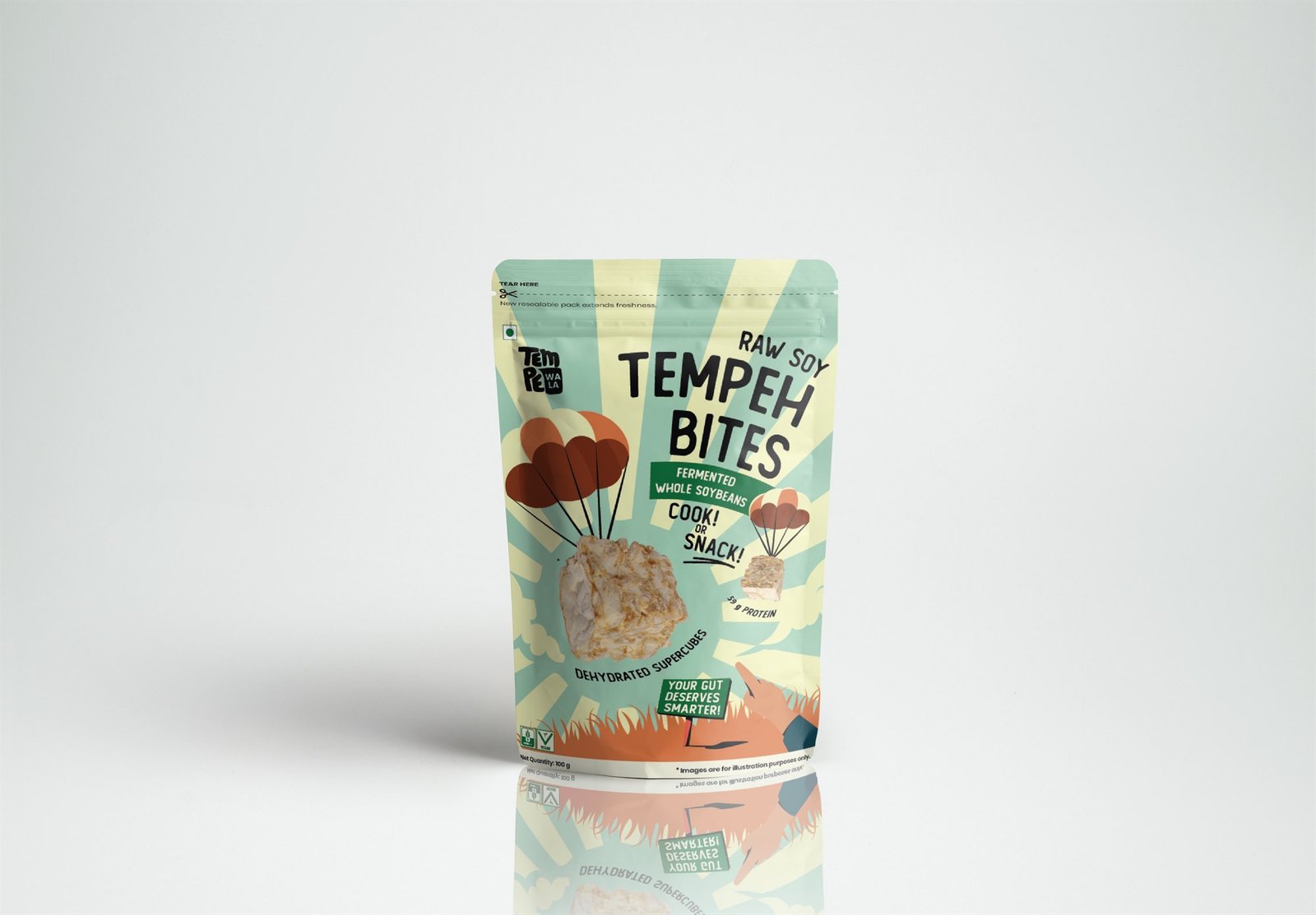
Dehydrated tempeh bites — dried at 55°C, shelf-stable for 6 months. 59g protein per 100g — more than chicken, paneer, tofu, or any protein powder. Soy and chickpea variants.
Rehydrates in minutes. Zero compromise.


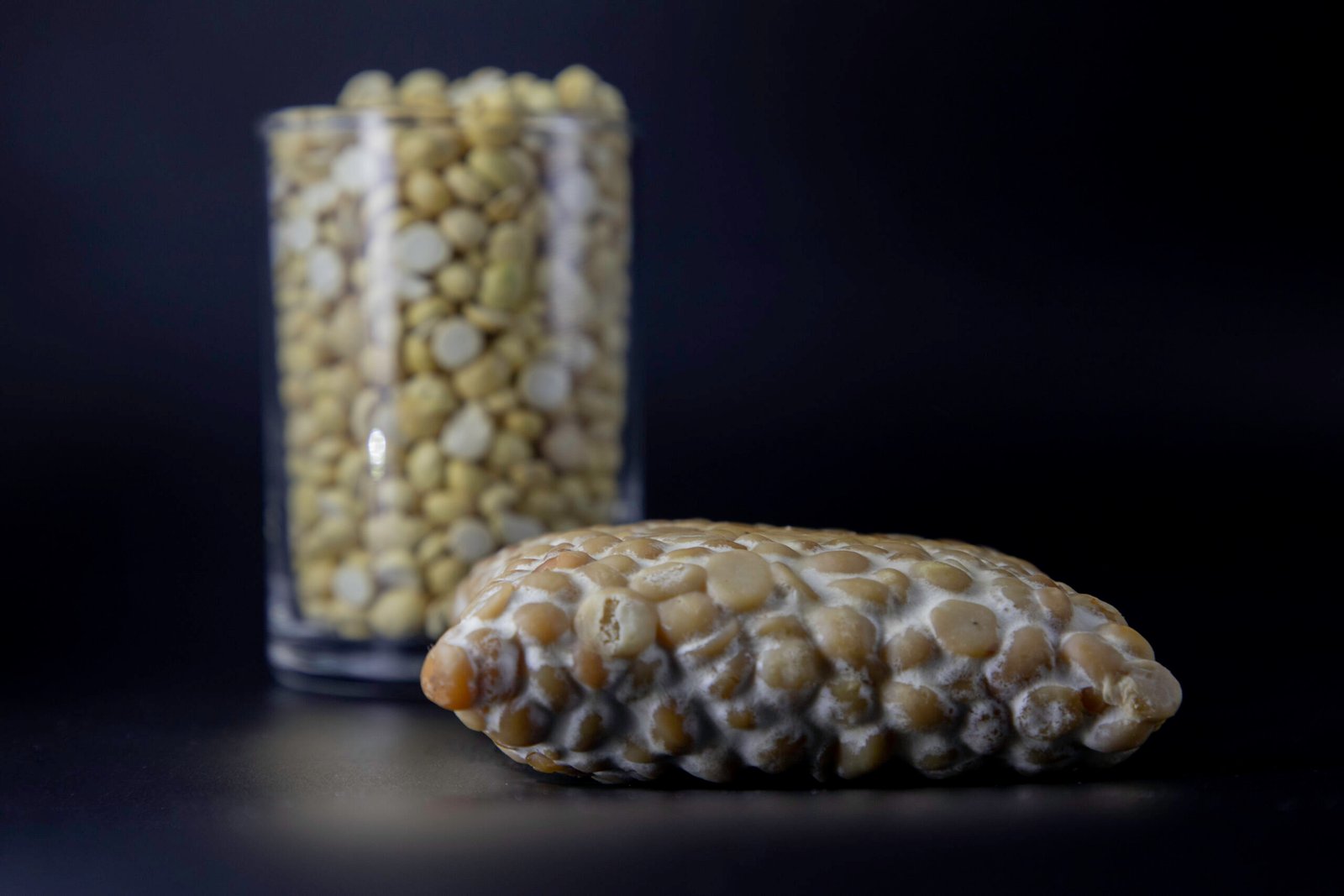
Soybeans, a living starter culture, and time. At 30 – 32 °C, Rhizopus oligosporus begins one of the most elegant transformations in food science — turning raw legumes into a protein matrix denser than any meat, brick by brick.
As the mould colonises the soybeans, it weaves white mycelial filaments between every single bean. These aren't just glue — they secrete enzymes that pre-digest proteins, increase bioavailability, and synthesise B-vitamins on the spot. Your gut gets a head start before you even chew.
After fermentation, blocks are slow-dried at 55 °C — low enough to preserve enzymes, high enough to drop water activity below 0.6 and halt all microbial growth. The result is a shelf-stable cube with 59g protein per 100g — more than any whey powder, any chicken breast, any protein bar. And it travels anywhere.
We tested everything. Most additives contaminated the batch within 24 hours. Only two survived 72 hours of fermentation without spoiling — and each pairs with a different legume: whole chilli flakes with chickpea, whole cumin seeds with soybean. Two completely separate fermentation batches. The spice and legume co-ferment together — the flavour is inside the protein matrix, not on the surface.
Pure soybean bites for the classic. Pure chickpea bites for the alternative protein. Chickpea co-fermented with chilli flakes for fire. Soybean co-fermented with cumin seeds for earth. Every batch hand-made, every ferment a living process. 100g resealable packs.
Shop Dry Tempeh →Buy Tempeh Chips Online India — High-Protein Vegan Snack, 19g Protein per 100g
Most tempeh is just soybean. Kripik is different.
We ferment soybean and tapioca together. As the Rhizopus mycelium grows through both, it binds them into a single unified structure that has never existed before. The result is a chip texture that no other tempeh — and no other chip — can replicate.
Lighter. Crispier. The crunch is structural, not coating. You're biting through living mycelium, not a dusting of rice flour.
The estimated total length of mycelium threads inside a single Kripik slab before slicing. Rhizopus oligosporus grows at approximately 1mm per hour. In 72 hours, it traces over a million microscopic paths through every soybean and tapioca particle in the block — a network more intricate than every road ever built in India, compressed into a 500g slab of fermented food. That network is what binds your chip. The crunch you hear? Mycelium breaking.
The protein base. Dehulled, soaked, and inoculated with Rhizopus oligosporus. Over 72 hours, the mycelium binds every soybean into a dense, white block — breaking down phytic acid and making the protein dramatically more digestible.
Complete protein · All 9 essential aminosThe texture ingredient — and it's not just mixed in. Tapioca ferments alongside the soybean in the same batch. The mycelium grows through both, binding them into one structure. The tapioca doesn't just lighten the chip; it becomes part of what the chip is.
Ferments in with soybean — not added after
When mycelium grows through both soybean and tapioca simultaneously, the two become inseparable. After 72 hours of fermentation, each batch is kettle cooked in small artisanal quantities — never mass-produced, never cut short.
What you get is a chip with a structural crunch that comes from within the mycelium matrix, not from batter or breadcrumb.
Six flavours, each developed with the finest, carefully selected ingredients to complement the fermented base. No artificial flavouring, no MSG, no shortcuts.
Buy Dry Tempeh Online — 59g Protein · 6-Month Shelf Life · No Refrigeration · Bangalore Made
No spice story here. Just plain dehydrated tempeh — the most protein-dense natural food you can hold in your hand. 59g protein per 100g. 6 months shelf-stable at ambient temperature. Dehydrated at 55°C. Developed for trekkers, runners, and everyone who is done compromising.
Dry tempeh has more protein per 100g than grilled chicken breast (31g), freeze-dried mutton (33g), or canned tuna (29g). No natural food that is shelf-stable at ambient temperature, weighs this little per gram of protein, and remains alive with active cultures after 6 months. Himalayan expeditions spend months sourcing nutrition that checks these boxes. This checks all of them — and it's made 4km from a Bangalore highway.
One legume, one starter culture, 72 hours, dehydrated at 55°C. Nothing else goes in. Choose soybean for the dense, earthy original — or chana dal for a lighter, slightly nutty profile. Same 59g protein either way. Use it anywhere you'd use soy chunks. It tastes far better.
Whole chilli flakes or whole cumin seeds go into the batch before fermentation — not after. For 72 hours, the Rhizopus mycelium grows through the soybean and the spice together. We tried many ingredients. Most spoiled the batch. Most were rejected by the mycelium. Only two survived: whole chilli flakes and whole cumin seeds.
By the time fermentation is done, the spice is no longer separate. It is structurally part of the tempeh. Not seasoned. Transformed. Then dehydrated at 55°C — still alive, still intact, still 59g protein.
Fresh Tempeh Block — Soybean Tempeh & Chana Dal Tempeh · Pan-Fry in 4 Min · No Preservatives · Bangalore
Whole soybean or whole chana dal — each fermented separately into its own block. No binders, no fillers, no preservatives. Just one legume, one starter culture, and 72 hours.
Whole soybean block. Earthy, nutty, dense. Slice it, pan-fry it in a little oil for 4 minutes and it crisps up outside while staying chewy inside. One legume, one starter culture, 72 hours. No recipe needed.
Whole chana dal block. Lighter texture, slightly sweet, buttery flavour — a completely different eating experience despite the same fermentation process. Works brilliantly in curries where soy tempeh might overpower the dish.
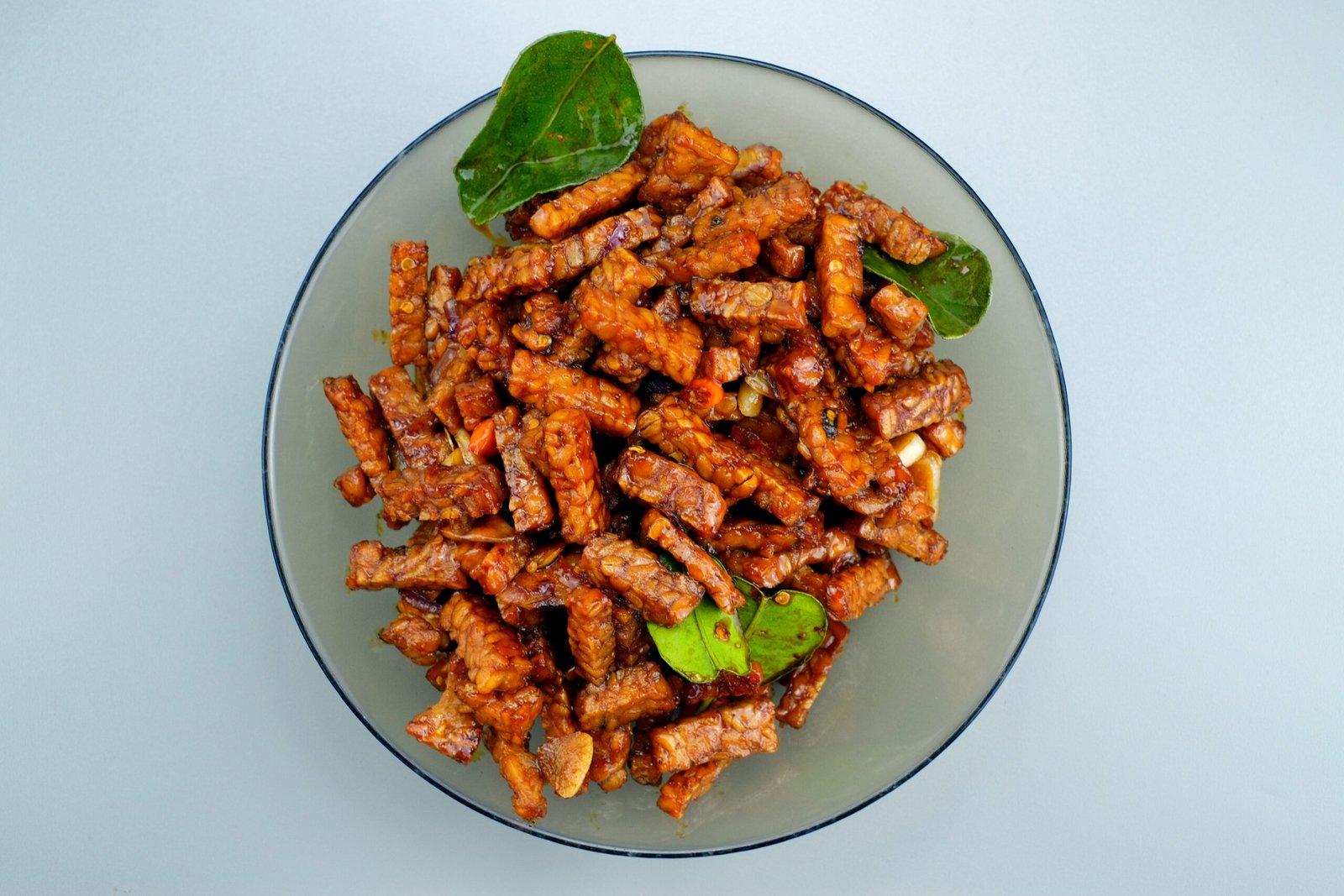
Sambal Orek & Sambal Kering Tempeh — Ready-to-Eat · Authentic Indonesian Spice · Heat & Serve
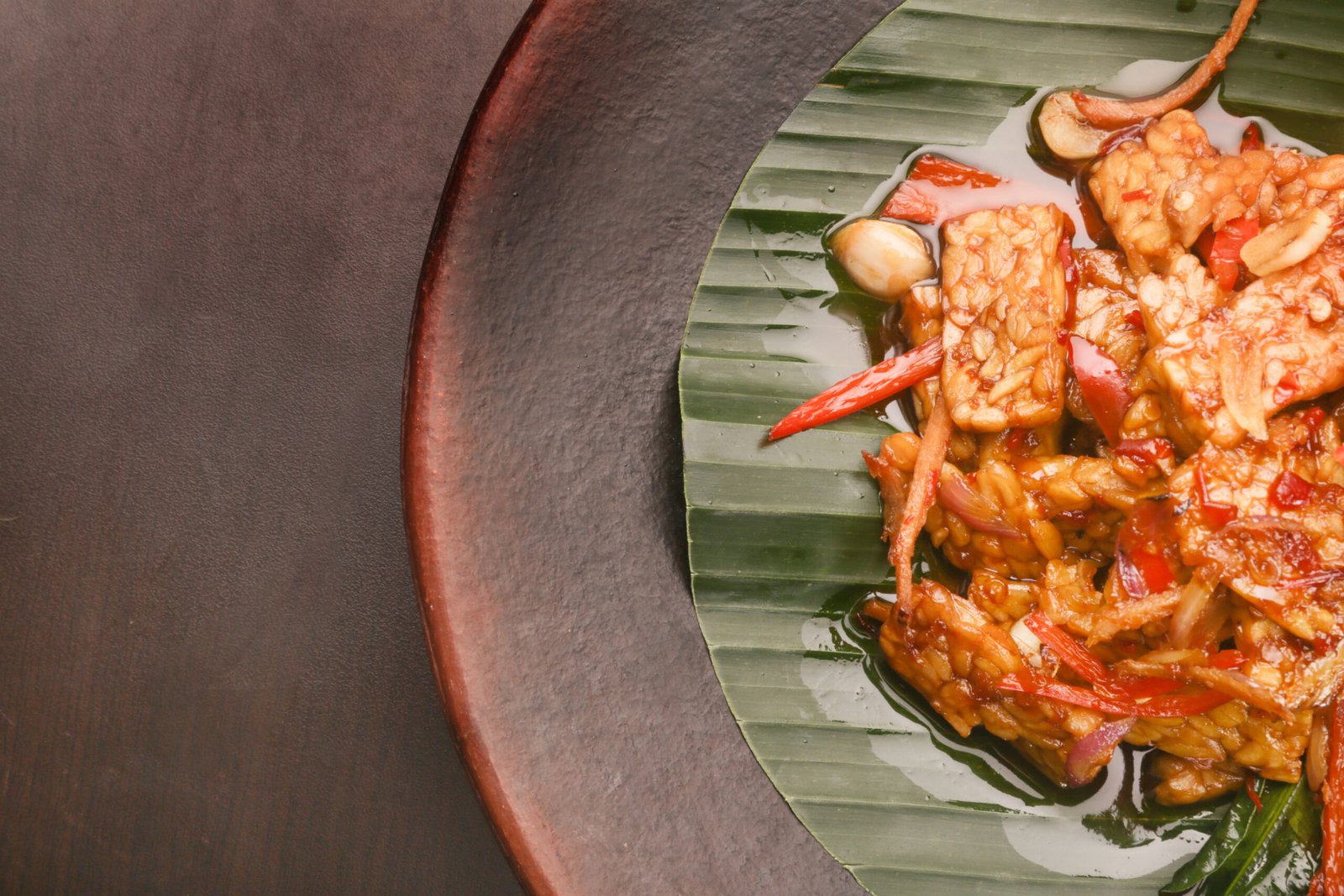
Sambal is the soul of Indonesian cooking. We fry our tempeh in it. What comes back is something between a snack and a memory — spicy, aromatic, completely addictive.
Kecap manis (Indonesian sweet soy) rounds the heat with deep caramel-molasses umami. Lemongrass lifts it. Peanuts give it crunch. You finish the bag wondering where it went.
Kaffir lime leaf and tamarind create a sour brightness that cuts through the heat. No sweetness — just layer after layer of aromatic complexity. The kind of flavour that stays with you long after the bag is gone.
"Sambal tempeh is not a condiment. It is not a side dish. In Java, it is the meal."
These aren't recipes we invented. They are centuries old — perfected on portable woks over charcoal, sold in banana-leaf parcels at Javanese markets. We source every ingredient to spec: Thai red chillis for heat and colour, galangal (not ginger) for that distinct woody bite, authentic kecap manis from Indonesia, tamarind not vinegar, kaffir lime not regular lime. The difference is not subtle.
How Tempeh Fermentation Works — Rhizopus Oligosporus · Phytic Acid Reduction · Complete Amino Acids · Bangalore
Rhizopus oligosporus is a fungus — animal kingdom, not plant kingdom. When its mycelium grows through soybeans for 72 hours, it fundamentally changes what the food is.
Fungi predate land plants by 700 million years. They predate dinosaurs by 1.2 billion years. The Rhizopus lineage that makes your tempeh has been fermenting organic matter since before the Himalayas existed. Not a metaphor — the Indian plate hadn't yet collided with Eurasia. The mountains weren't there. The fungus was. Your tempeh is made by one of the planet's most ancient surviving organisms. That's not marketing copy. That's Earth history.
Rhizopus mycelium physically binds soybean cells together, breaking down phytic acid and making nutrients dramatically more bioavailable. The same protein hits differently in tempeh vs raw soy — because it is different.
Tempeh is one of the only plant foods with a complete amino acid profile — all 9 essential aminos, plus B12 precursors. Something most plant protein sources simply cannot claim.
The Rhizopus fungus belongs to the animal kingdom — not the plant kingdom. When you eat tempeh, you're eating something fundamentally richer than a vegetable. That's why the nutrition is so extraordinary.
Javanese communities have been fermenting tempeh for over 1,000 years. We spent 6 years studying that tradition before releasing a single product. Four food scientists. One dedicated factory in Bangalore. Zero shortcuts.
Soybean and tapioca fermented together — the mycelium binds both into one structure, giving Kripik its uniquely light, crispy crunch from within. Once dehydrated, each chip is seasoned with its own flavour profile: Chilli Garlic · Salt & Pepper · Chipotle · Peri Peri · Jamaican Jerk · Pink Salt.
Explore Kripik →Live cultures. Two varieties only: white soybean block or chana dal (split chickpea) block. Pan-fry in 4 minutes, crumble into dal, marinate and grill.
Shop Fresh →Dehydrated at 55°C. 59g protein per 100g. 6 months shelf-stable. Flavoured varieties have whole chilli flakes or whole cumin seeds fermenting inside the soybean batch — the only two ingredients that can do this without spoiling the tempeh. The spice is in the ferment, not on the surface. Ready-to-cook. Replaces soy chunks, paneer, tofu.
Meet the innovation →A Javanese street food — eaten straight from the pack, no prep needed. Tempeh fried in sambal and packed at its best. Sambal Orek (sweet, peanutty) or Sambal Kering (dry, sharp, citrus). Both are a complete snack on their own.
Shop Cooked →Plant-based pantry essentials for the vegan cook. Clean ingredients, no preservatives, no nonsense. Tofu, soy milk, and soy curd — made the way they were meant to be.
Explore Dairy →Naturally fermented vegetables. No vinegar. No shortcuts. Just salt, time, and intention — the way fermented vegetables have been made for centuries.
Explore Pickles →Live-culture drinks, fermented the slow way. Because plain water doesn't come with probiotics.
Explore Drinks →15,000+ people who already figured out what goes into their food — and refuse to settle. Create a free account. Get 1,000 Tempeh Tokens instantly.
Tokens work like cash — 1 Token = ₹1 off your order. Earn them every time you buy, review, refer, or just show up. The full system — how tokens are earned, how tiers unlock, what each level gets you — is all on the Tribe page.
Full details — earning rules, redemption, tier benefits — at /rewards/
"I've trekked Kedarkantha and Roopkund. Dry tempeh cubes came with me both times. 59g protein in something that packs smaller than a protein bar and lasts 6 months — I don't understand why every trekker isn't using this."
"The Chipotle Kripik is unlike anything else I've eaten. You can taste that the chipotle is in the chip, not on it. That's a real difference and once you notice it you can't go back."
"I replaced soy chunks completely. The dry tempeh cubes rehydrate in a curry exactly like soy chunks but the protein is insane and the texture is actually good. My PT is obsessed with it now too."
Seven product lines. One brand that actually read the science before writing the label.
Explore The Full Range → Free shipping above ₹1,500 · 1,000 Tribe Tokens on signup · No additives. Ever.